 By Cailyn Theo
The construction and building industry is evolving rapidly, with new methods and materials continually reshaping how refurbishments are undertaken. Whether it’s updating residential properties, commercial sites, or large public structures, there is an increasing demand for faster, safer, and more efficient approaches to refurbishment across Australia. Here are some innovative solutions that are changing the game.
Modular Construction for Speed
One of the most effective ways to reduce construction times during building refurbishments is by incorporating modular construction techniques. Prefabricated modules are manufactured off-site in controlled environments and then transported to the refurbishment site for assembly. This not only accelerates the overall timeline but also decreases on-site disruption such as noise and debris.
For example, modular construction has been widely used in sectors like healthcare and education, where minimising disruption is critical. These methods are proving equally effective for residential and commercial refurbishments, offering precision and quality with a quicker turnaround.
Smart Safety Technology
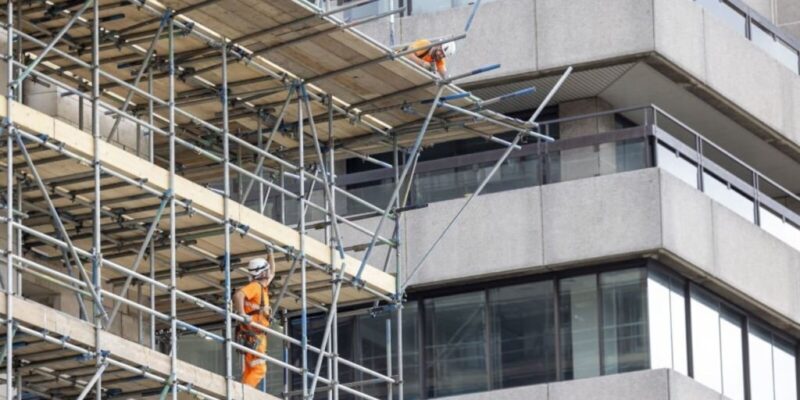
Maintaining safety on construction sites has always been a priority, and emerging innovations are enhancing the ability to manage risks effectively. Solutions such as wearable safety devices equipped with sensors can monitor environmental factors like temperature, noise, and air quality, ensuring workers remain safe throughout the refurbishment process.
Additionally, advanced site surveillance technology and drone inspections are becoming popular for monitoring high-risk zones. Drones are particularly useful for difficult-to-reach areas like roofs. For instance, in a region famous for its climate variability such as Perth, leveraging these tools for smarter roofing refurbishments ensures a safer work environment. This approach has created a noticeable improvement in processes related to roofing in Perth.
Sustainable Building Practices
Sustainability is a key focus in modernisation projects, and refurbishments are no exception. The use of eco-friendly materials, such as recycled timber or low-carbon concrete, is becoming widespread. Energy-efficient upgrades, like double glazing and solar panel installations, further reduce the environmental impact of refurbishment projects.
Another sustainable innovation is the rise of green roofs and living walls, which not only enhance the aesthetic appeal of a building but also contribute to better insulation and air quality. Such sustainable solutions are particularly relevant in Australia, where environmental conservation is a major focus for communities and businesses alike.
Advanced Tools and Techniques
Emerging tools, including AI-driven software and 3D scanning technology, are dramatically altering how projects are planned and executed. For example, 3D laser scanning allows for precise measurements and digital modelling of existing structures, aiding in the design of seamless refurbishments.
Likewise, robotic technology is helping workers conduct repetitive or high-precision tasks more efficiently. From demolition robots to robotic bricklayers, these advancements are transforming the scope of what can be achieved in refurbishment projects.
The Future of Australian Refurbishments
Refurbishment projects in Australia face unique challenges, from compliance with regulations to addressing specific environmental factors. However, innovations like modular construction, smart safety technology, sustainable practices, and advanced tools are helping to ensure these projects meet the demands of modern stakeholders.
These advancements pave the way for safer worksites, faster completions, and structures that serve better environmental and community goals. Whether you’re involved in small-scale work or larger building refurbishments, adopting these innovative solutions will ensure your projects are completed efficiently and effectively.