 By Cailyn Theo
The Artistry of Sugar Flowers: A Beautiful Tradition
Exploring the History and Significance of Sugar Flowers
The tradition of sugar flowers has evolved significantly over the centuries, marking a sophisticated expression of creativity in cake decoration, particularly within the context of weddings, which are steeped in symbolism and cultural practices. The origins of sugar flowers can be traced back to the 17th century in Europe, when royal chefs began crafting elaborate sugar sculptures and flower arrangements to adorn extravagant cakes, highlighting the importance of celebration in nuptial ceremonies. These skilled artisans utilized a blend of sugar, fondant, and egg whites, leading to the development of various techniques that have since burgeoned into an art form recognized globally.
Throughout history, sugar flowers have maintained a special place within the fabric of wedding celebrations, symbolizing love and joy, with each bloom representing sentiments unique to the couple’s journey. In many cultures, flowers hold deep meanings linked to love, purity, and fertility—an affirmation of commitment in the face of what lies ahead. In the Victorian era, the popularity of sugar flowers soared as couples sought to convey deeper meanings through floral arrangements, intertwining the artistry of sugar with poignant symbols that resonated with their shared love story. Today, sugar flowers continue to serve as a staple within the wedding cake landscape, bearing witness to love’s enduring nature.
The Evolution of Sugar Flower Techniques Through the Ages
The evolution of sugar flower techniques provides a fascinating lens through which to explore changing artistic trends, technological advancements, and shifts in cultural expectations surrounding weddings. In the early days, sugar flowers were simple in design, characterized by rudimentary forms and muted colors. However, as bakers began sharing their techniques across borders, these floral embellishments grew increasingly intricate and realistic. The late 19th and early 20th centuries ushered in groundbreaking innovations in the field, including the introduction of new tools like petal veiners and cutters which made crafting delicate petals far more achievable.
Advancements in food-grade colors and dusting powders have further refined sugar flower techniques, allowing cake artists to replicate the nuances of actual flowers meticulously. The introduction of modeling pastes, which have a firmer consistency than fondant, has enabled the creation of more complex sugar sculptures that retain their shape while being soft enough to emulate the gentle curves of flower petals. These developments have led to the rise of master artisans who dedicate years to mastering the craft, leading to an impressive repertoire of sugar flower styles that illustrate not only technical prowess but also deep-seated knowledge of floral design. Today, sugar flower artistry is recognized as a legitimate discipline within cake decorating, allowing for both tradition and innovation to flourish and redefine what is possible.
Creating Stunning Sugar Flowers: Techniques and Tips
Essential Tools for Crafting Perfect Sugar Blooms
Creating stunning sugar flowers necessitates a suite of essential tools and materials, each uniquely equipped to handle the intricacies of this delicate craft. At the core of any sugar flower artist’s toolkit is a set of precise and adaptable cutters, which come in various shapes and sizes to mimic nature’s diversity. These cutters, often constructed from high-quality plastic or metal, allow for the creation of petal shapes, leaves, and even intricate centerpieces like stamens and pistils. Additionally, the inclusion of petal veiners, which imprint lifelike details onto petals, adds texture that elevates overall appearance, transforming a simple bloom into an exquisite portrayal of nature.
Alongside cutters and veiners, other indispensable tools include floral wires, which provide the structural support necessary for realistic arrangements. Floral tape is also vital, allowing the wires to be wrapped securely and seamlessly, creating the illusion of a flower growing naturally. Moreover, tools such as ball tools and spatulas assist in shaping and smoothing edges, enhancing the aesthetic appeal of each colored petal. Essential adhesives, such as edible glue or corn syrup, are also pivotal in securing petals together, empowering artists to create intricate blossoms with minimal fuss. As budding sugar flower enthusiasts explore these tools, the process of experimentation becomes vital; mastering technique while discovering personal style often leads to astonishing results.
Mastering Common Techniques: Petal Rolling and Stamen Insertion
Mastering common techniques associated with sugar flower making is integral to achieving professional-looking results. One of the fundamental processes is petal rolling, which involves rolling out sugary paste to the desired thickness using a rolling pin. The ideal thickness is crucial—too thick, and the petals appear clunky; too thin, and they may not hold their shape. Using a combination of dusting cornstarch or powdered sugar on the work surface helps in avoiding sticking, allowing for seamless maneuverability. Once rolled, each petal can be shaped using veiners to achieve realistic texture, a step that transforms ordinary petals into eye-catching representations of their botanical counterparts.
The next critical technique is stamen insertion, wherein delicate stamens are added to create a complete bloom. Applying edible glue at the center of each flower before inserting stamen wires gives the flower a lifelike touch, emulating the natural structure of real blooms. For flowers like lilies or orchids, this step is particularly pivotal, as it defines the central aspect of the flower, adding both visual and structural integrity. Cultivating the skills to adeptly roll petals and insert stamens not only enhances the realism of the finished product but also instills a deeper understanding of floral design, paving the way for stunning creations that speak to the artistry of sugar flowers.
Color Theory in Sugar Flowers: Painting and Dusting for Realism
Color theory plays a pivotal role in the art of sugar flowers, allowing cake designers to evoke emotion and create visual harmony through thoughtful color choices. Understanding the basics of color theory—such as primary, secondary, and tertiary colors, as well as complementary and analogous schemes—can significantly influence the overall impact of sugar flowers on a wedding cake. For instance, colors can denote styles and evoke certain feelings, with soft pastels often conveying romance and whimsy, while deeper tones may express sophistication and elegance.
To achieve realism in sugar flowers, cake artists often employ techniques such as painting and dusting with edible luster dusts and petal dust. Painting allows for the application of carefully blended colors, bringing sugar flowers to life and adding depth to each petal. This technique becomes particularly effective for achieving gradient effects that mimic the natural color transitions present in real blooms. Dusting, on the other hand, involves using dust pigments to create subtle textures and shading that provide a three-dimensional appearance. Mastering these applications not only elevates the aesthetics of sugar flowers but also enhances their ability to harmonize seamlessly with the different elements of wedding cakes, making them truly breathtaking edible art.
Popular Bloom Choices: Which Sugar Flowers to Use for Your Cake
Classic Choices: Roses, Peonies, and Their Symbolism
When it comes to sugar flowers for wedding cakes, certain blooms have emerged as timeless classics that consistently adorn wedding cakes. Roses, for instance, have long been associated with love and romance, making them a perennial favorite amongst couples. Their rich symbolism—often reflecting the complexities of passion and commitment—transcends cultures and time periods, positioning them as a quintessential representation of love in many traditions. In the realm of sugar flowers, roses can be crafted in various forms: from tightly closed buds to fully-open blooms, allowing for personalization that resonates with the couple’s aesthetic and narrative.
Peonies, known for their lush and full appearance, serve as another classic choice that conveys prosperity and elegance, much like roses. Their delicate petals can be replicated with sugar, creating an effect that astounds guests with its realistic charm. Often associated with happiness in many cultures, peonies are an embodiment of positivity and joy, making them particularly suitable for weddings. When combined with a fresh palette, traditional blooms like roses and peonies provide a stunning floral display, capable of evoking nostalgia while presenting a modern twist, maximizing both visual impact and emotional resonance.
Exotic Options: Orchids and Other Unique Flowers for a Statement Cake
Beyond classic blooms, many couples are turning to exotic options like orchids, which exude a captivating elegance and intrigue, ideal for making a striking statement on wedding cakes. Orchids, symbolizing luxury, beauty, and strength, can be intricately designed with sugar paste to showcase their unique shapes and textures. The graceful lines of orchids allow for artistic interpretation, enabling bakers to experiment with colors and styles that align with the couple’s vision while creating an unforgettable centerpiece. Whether cascading down the tiers or clustered at the top, sugar orchids offer a sumptuous allure that evokes a sense of refined sophistication.
In addition to orchids, other unique flowers such as hibiscus or water lilies can create an exotic flavor and appearance, turning a wedding cake into an island of beauty and tropical delight. These flowers often feature brilliant colors and distinct shapes which lend themselves beautifully to the art of sugar crafting. By incorporating such unique blooms, couples can curate an atmosphere that reflects their personalities, celebrating their love story in an unforgettable manner. Ultimately, choosing exotic sugar flowers contributes a distinctive touch that embodies adventure and individuality, making the cake not merely dessert but a central element of the celebration.
Seasonal Selections: Choosing Flowers that Complement Your Wedding Theme
Selecting sugar flowers that align with seasonal availability adds an extra layer of thoughtfulness and coherence to wedding planning. Seasonal blooms not only ensure freshness and vibrancy but also allow couples to embrace the colors and textures of their chosen time of year. For spring weddings, consider incorporating delicate cherry blossoms or tulips, symbolizing renewal and new beginnings. These sugar flowers capture the essence of blooming love set against a backdrop of vibrant sunshine, creating a romantic atmosphere that is both airy and uplifting.
In summer, floral choices abound, with vivid sunflowers, dahlias, and hydrangeas providing bursts of color and energy. Sugar representations of these blooms can match the warmth of an outdoor celebration, evoking feelings of happiness and joy. Fall introduces the rich hues of chrysanthemums and dahlias, which can be perfectly captured through sugar techniques to convey the depth of color synonymous with the season. For winter weddings, why not choose sugar flowers like amaryllis or even frosted evergreen arrangements? These selections encapsulate the beauty of winter while allowing for creativity that embraces the otherworldly sparkle of snow-covered landscapes. By selecting sugar flowers that align with seasonal aesthetics, couples can create cakes that are harmonious with nature, significantly elevating their wedding theme.
Designing the Perfect Cake: Incorporating Sugar Flowers into Your Vision
Cake Styles That Showcase Sugar Flowers: From Rustic to Elegant
When embarking on the journey to design the perfect cake, understanding the relationship between cake style and sugar flower presentation is paramount. Various cake styles allow for unique expressions of artistry, each showcasing sugar flowers in distinct ways. For instance, a rustic wedding cake, characterized by its semi-naked or textured frosting, can be adorned with sugar flowers that appear freshly picked and artfully arranged to complement the natural aesthetic. This approach harnesses the beauty of simplicity, presenting a warm and inviting atmosphere that prioritizes sincerity and intimacy.
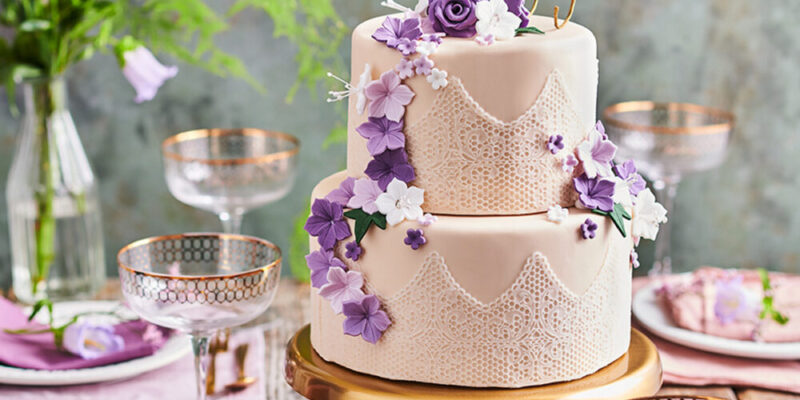
In contrast, a more sophisticated cake style—such as a tall, tiered cake with smooth fondant finishes—affords the opportunity to craft luxurious arrangements of larger sugar flowers. In this scenario, couples often opt for grand blooms like magnolias or gardenias, which can punctuate the elegant structure of the cake and create a dramatic focal point. The juxtaposition of a smooth cake surface against the intricate detailing of sugar flowers results in high visual dynamism, compelling attention and leaving a lasting impression on guests. Whether opting for rustic charm or elegant refinement, the choice of cake style dictates not just the use of sugar flowers but also guides the emotional resonance tied to the celebration.
Color Coordination: Harmonizing Your Cake Decor with Floral Arrangements
The process of color coordination is essential when incorporating sugar flowers into cake design, as it impacts both the visual cohesion of the entire wedding aesthetic as well as the emotional experience of the guests. Couples should carefully consider their color palette, choosing complementary or analogous colors that will harmonize with the cake, flowers, and venue decor. For example, if a couple opts for a blush pink and gold theme, incorporating sugar flowers in shades of dusty rose, complemented by gold leaf accents, can result in a stunning visual synergy. This thoughtfulness enhances the storytelling aspect of the celebration, ensuring that each design element contributes to a unified narrative of love and joy.
Additionally, understanding color psychology can enhance decision-making when selecting sugar flowers for a wedding cake. For instance, shades of blue and purple can evoke calmness and elegance, making them ideal for couples seeking a serene atmosphere, while vibrant reds or yellows can explode with energy and joy. By strategically choosing colors that not only reflect individual taste but also embody deeper symbolism, couples can create a visually striking canvas that resonates with emotion. Lastly, visual inspiration through mood boards can aid in the decision-making process; marrying sugar flowers with the overall design endeavors to produce a remarkable celebration.
Displaying Your Sugar Flowers: Placement Tips for Maximum Impact
The presentation of sugar flowers on a cake is just as critical as the design itself, with placement playing a prominent role in maximizing their visual impact. A well-placed sugar flower can draw the eye and elevate the overall aesthetic of the cake, transforming it into a captivating focal point in the reception. One popular technique is the ‘cluster’ method, whereby several sugar flowers are grouped together at key points on the cake—such as the base, top tier, or cascading down one side, creating a romantic flow that echoes nature’s designs.
Another effective approach entails balancing sugar flowers across all tiers, ensuring that the weight of flowers appears evenly distributed while not overwhelming any single tier. For those who favor minimalism, opting for one statement sugar flower per tier may suffice, allowing guests to appreciate the intricate details of each bloom without distraction. In addition to placement, paying careful attention to height can enhance visual intrigue; incorporating taller sugar flowers alongside shorter blooms can create layers of interest that lead the eye through the cake’s entirety. Ultimately, understanding the interplay between placement, balance, and height extends beyond aesthetics—it’s about crafting an experience that invites guests to marvel at the beauty of sugar flowers and the love story they represent.
FAQ
Question: What are the common materials used in making sugar flowers? – Sugar flowers are typically made from sugar paste, fondant, and edible colors, along with wires and adhesives for structural support.
Question: Can sugar flowers be made in advance and stored? – Yes, sugar flowers can be made in advance and stored in a cool, dry place away from sunlight to preserve their quality and appearance.
Question: Are sugar flowers safe to eat? – Yes, sugar flowers are made from food-safe materials and are safe to eat, making them a delightful addition to any cake.
Question: How long do sugar flowers typically last? – When stored properly, sugar flowers can last several months without losing their shape or color, although freshness can depend on humidity and temperature.
Question: What is the difference between fondant and gum paste for sugar flowers? – Fondant is softer and primarily used for covering cakes, while gum paste is firmer and dries harder, making it ideal for more detailed sugar flowers.
Question: Can sugar flowers be colored after they are made? – Yes, sugar flowers can be colored after being made using edible dusts, paints, or markers, allowing for customization and details.
Question: How do you attach sugar flowers to the cake? – Sugar flowers can be attached to the cake using edible adhesive, royal icing, or by inserting them into the cake with floral wires to ensure secure placement.
Question: Is it possible to create sugar flowers without specialized tools? – While specialized tools make the process easier, many sugar flowers can be created using household items like scissors, rolling pins, and everyday kitchen utensils with some creativity.
Useful Resources